Compliance Support Across the Equipment Lifecycle
In regulated industries, compliance is engineered into every detail. It does not end with initial approval. Voltage separation, shielding and bonding practices, cable routing, and component selection all affect inspection readiness, system safety, and long-term performance throughout the life of the system.
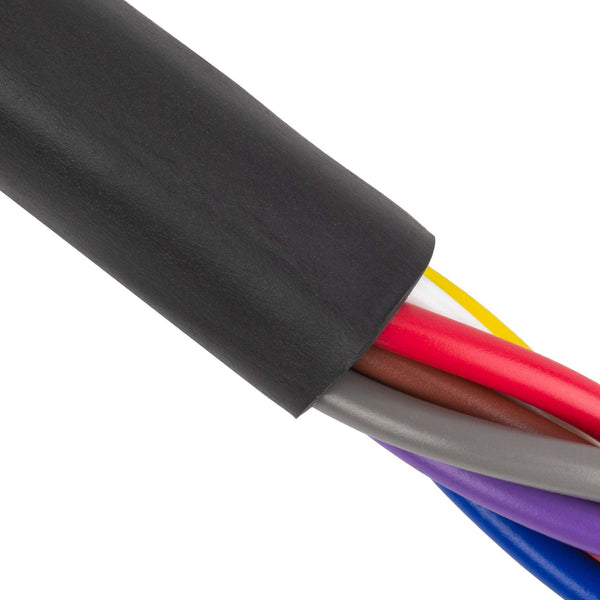
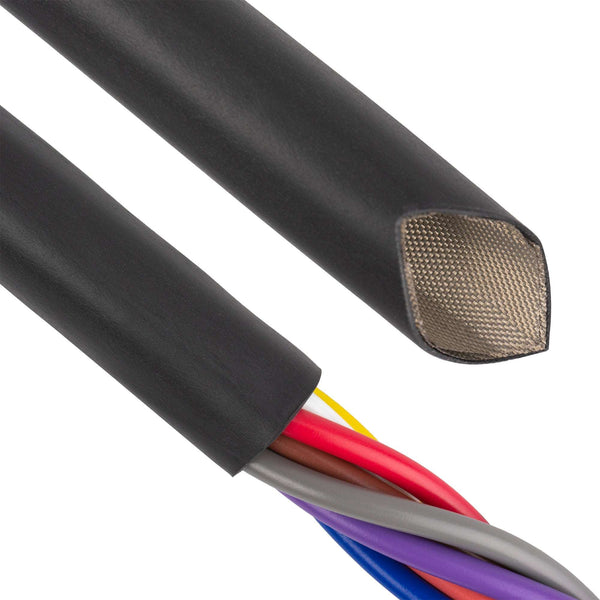
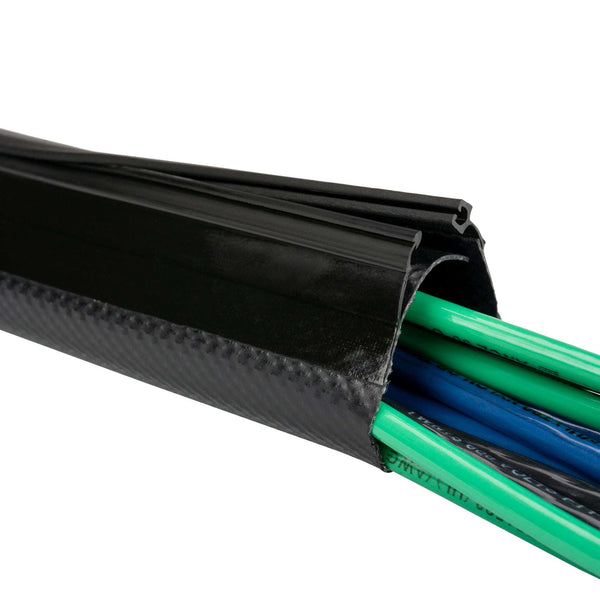
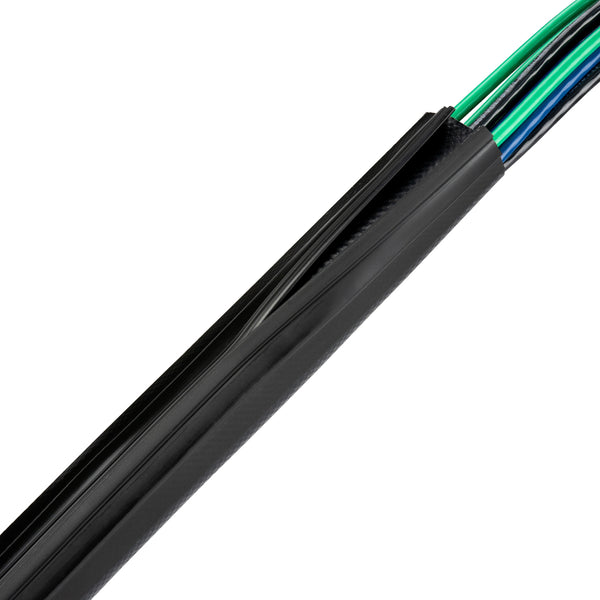
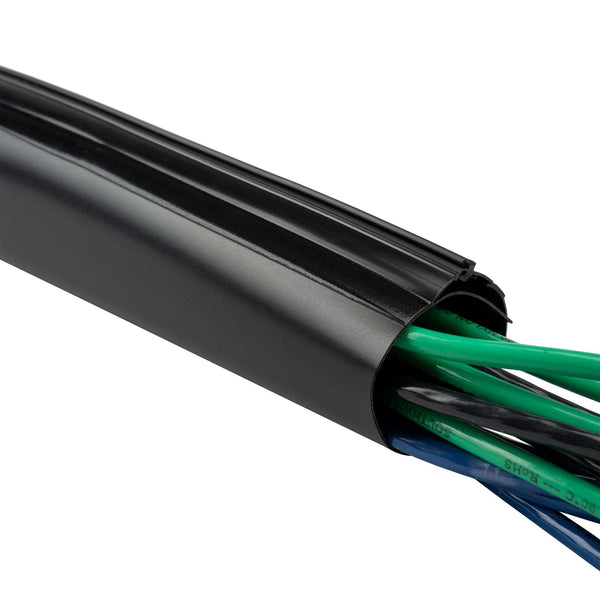
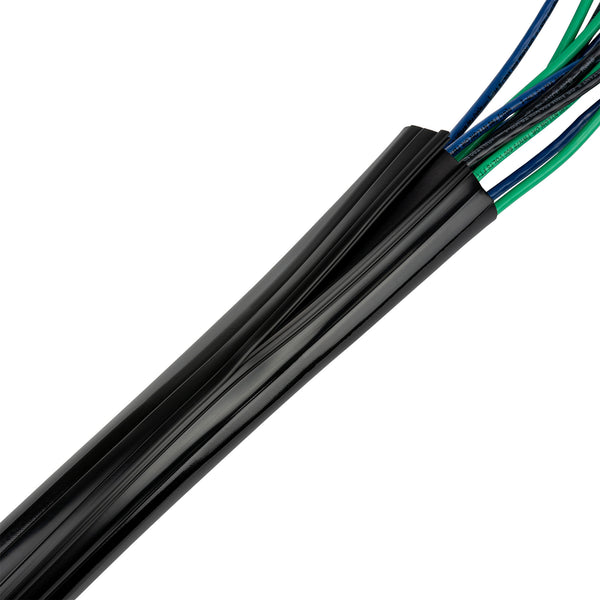
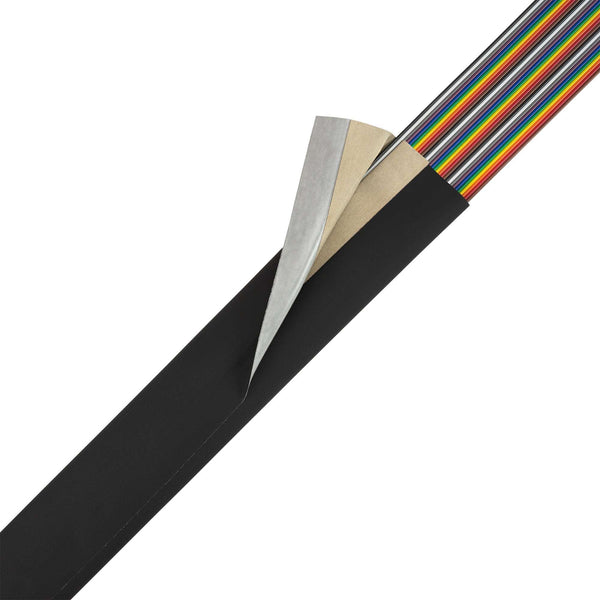
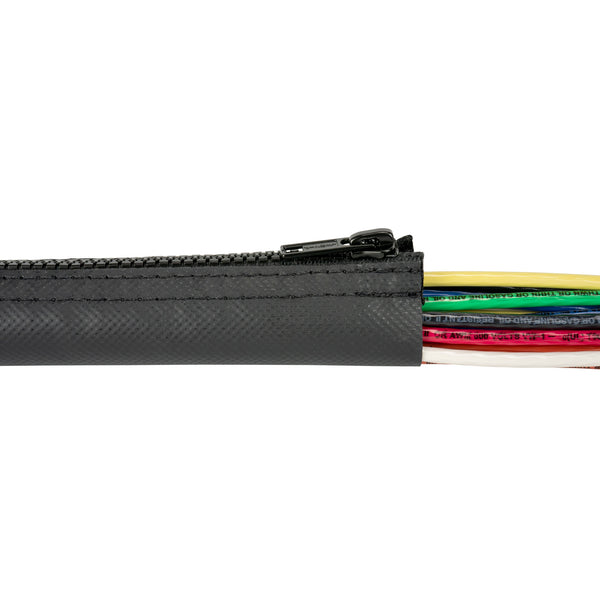
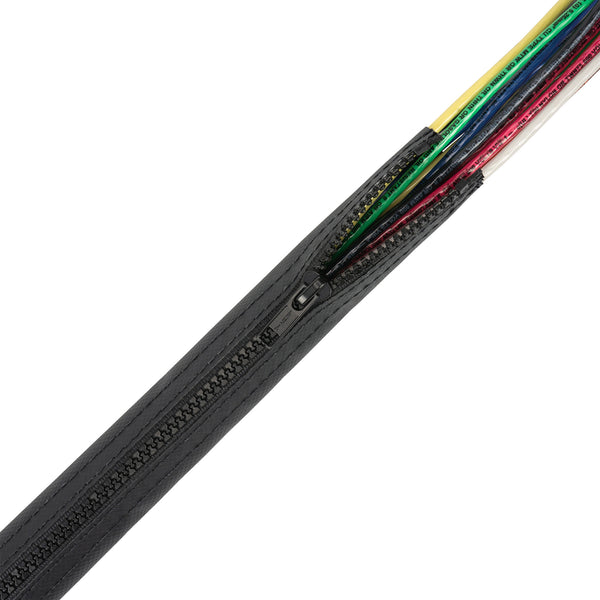
Zippertubing solutions are designed to help teams support compliance at every stage. Our engineered wrap-around cable sleeving and secondary conduit products help improve organization, maintain defined separation pathways, and simplify upgrades or changes without unnecessary disruption.

Initial Installation & Approval
Support proper setup before the system is placed in service
During installation, cable management decisions directly affect whether a system is organized, inspectable, and ready for approval. Improper separation, inconsistent routing, or unclear shielding/bonding implementation can lead to delays, rework, or failed inspections.
Zippertubing solutions can help support:
- Voltage separation and isolation pathways
- Organized, inspectable cable routing
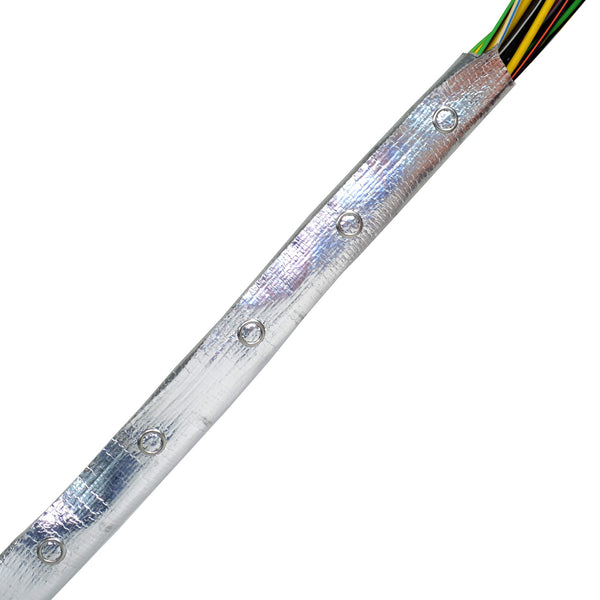
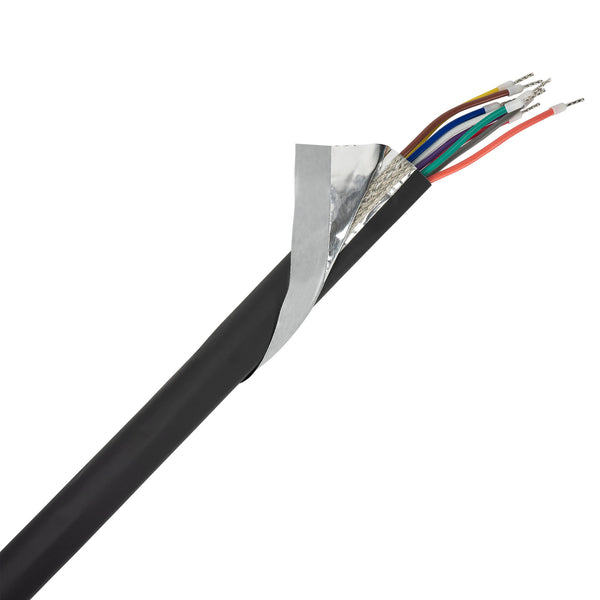
- Shielding and grounding integration
- UL-recognized component use where applicable
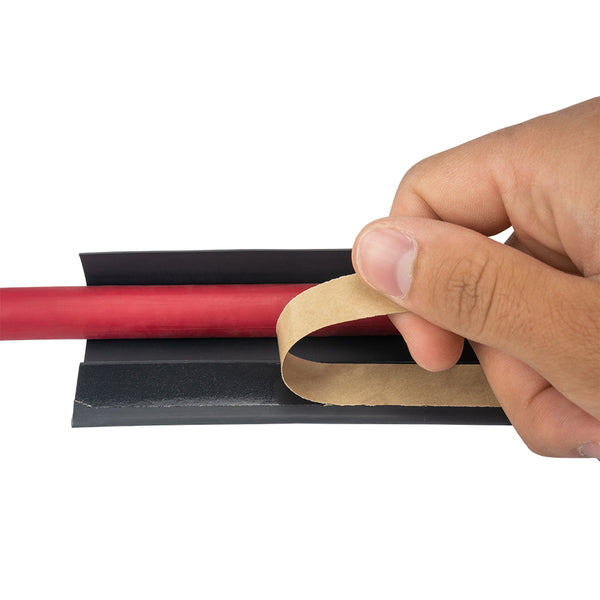
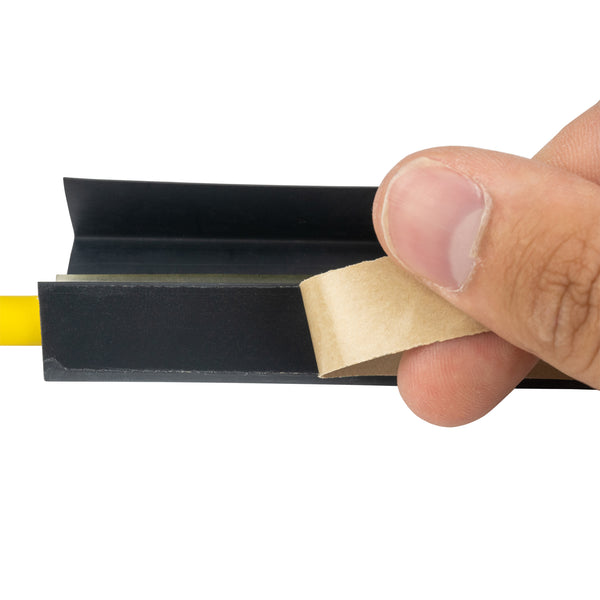
Our wrap-around installation approach also helps simplify integration during assembly by allowing cable sleeving and protection to be applied quickly and cleanly at different stages of build.
Engineering cable management into the initial setup helps improve compliance readiness from the start.

Repair, Upgrade & Retrofit
Restore compliance after changes to systems already in use
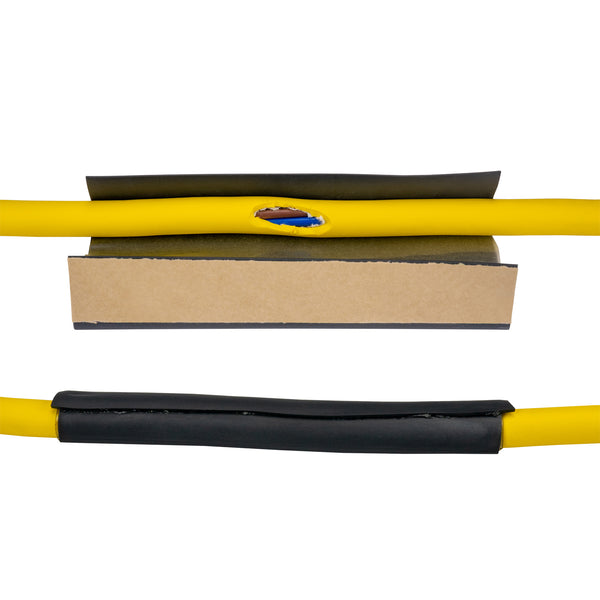
Repairs, upgrades, and field modifications can disrupt cable separation, shielding continuity, and routing clarity. If these changes are not properly managed, compliance risk can increase even when the repair itself is complete.
Zippertubing solutions can help teams:
- Re-establish defined cable separation pathways
- Improve routing after service work
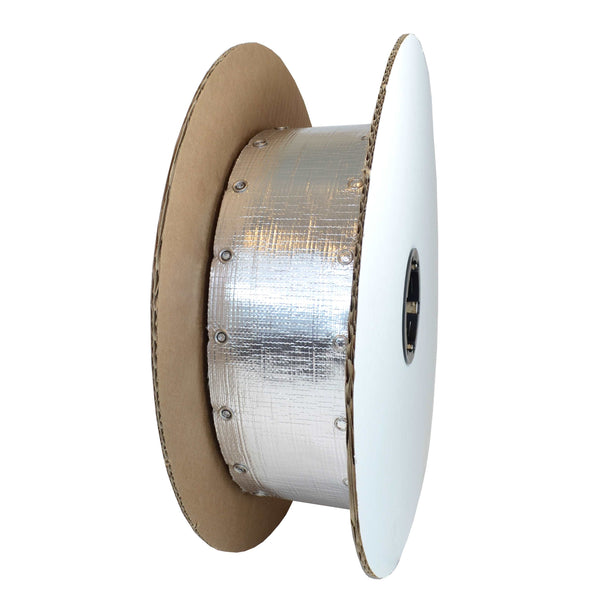
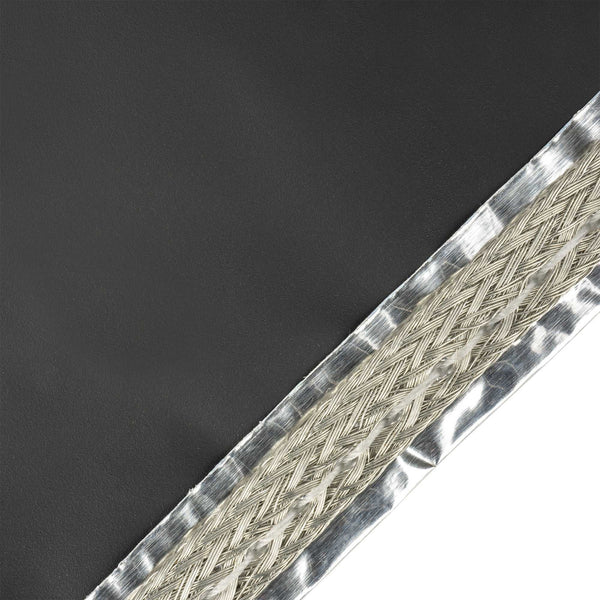
- Add or restore shielding support
- Improve inspection readiness after retrofit activity
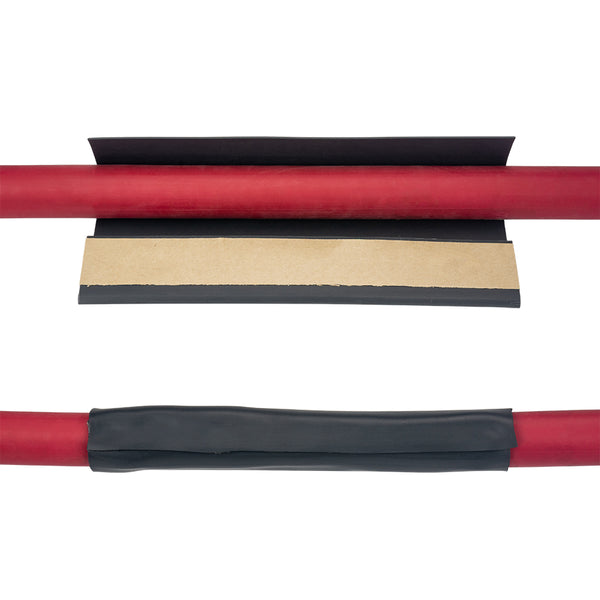
Because Zippertubing products install in a wrap-around manner, protection, separation, and organization can often be added or restored quickly without disconnecting cables or components and without creating unnecessary re-testing delays.
Retrofit work should restore compliance, not create new risk.

Continuous Improvement & 6S Deployment
Revisit cable management to improve safety, organization, and performance over time
Even compliant systems can benefit from improved cable routing and protection strategies. As equipment ages, layouts evolve, or operating requirements change, cable management updates can improve reliability, serviceability, and safety.
Continuous improvement and 6S efforts may include:
- Improving EMI performance
- Reducing wear and abrasion points
- Improving maintenance access and visibility
- Supporting standardized, organized cable layouts
- Reducing safety concerns and trip hazards
Well-managed cable systems help reduce clutter, improve accessibility, and support more consistent maintenance practices, making cable management an important part of both compliance support and broader 6S / continuous improvement initiatives.
Frequently Asked Questions
Why is cable management important for compliance?
Cable management affects voltage separation, routing clarity, shielding continuity, and inspection visibility. Poor cable organization can create compliance issues even when the underlying components are correct.
How does cable routing affect UL or NEC inspections?
Inspectors may evaluate whether wiring is properly separated, protected, and routed in a way that supports safe operation. Inconsistent routing or mixed cable classes can contribute to inspection findings.
What is voltage separation and why does it matter?
Voltage separation is the physical separation of conductors by voltage class or function, such as power versus signal or control. It helps reduce the risk of interference, insulation breakdown, and safety hazards.
Can cable management improve a retrofit without rewiring the whole system?
In many cases, yes. Wrap-around retrofit cable management solutions can improve organization, restore separation pathways, and add shielding support without requiring a complete redesign.
Why do repairs and upgrades create compliance risk?
Field changes often introduce additional cables, rerouting, or temporary fixes. If spacing, shielding, or organization is not restored, systems may become harder to inspect and more prone to performance or safety issues.
How does EMI shielding relate to compliance?
In many applications, shielding performance affects signal integrity and system behavior. Inadequate shielding or improper grounding can contribute to failed testing or degraded performance.
Are UL-recognized components always required?
Requirements depend on the application and system. However, using recognized materials and components where applicable can improve traceability and simplify approval or inspection processes.
Can better cable organization improve system reliability?
Yes. Better organization can reduce abrasion, strain, overheating risk, EMI exposure, and maintenance errors, which can improve long-term system performance.
When should a team review cable management as part of continuous improvement?
A review is often valuable after repeated service issues, upgrades, inspection findings, EMI concerns, or whenever equipment is being optimized for safety, uptime, or maintainability.
How can OEMs reduce compliance delays?
By designing separation, shielding, and routing into the system early in development rather than addressing compliance corrections after installation.
What is the benefit of wrap-around cable sleeving during retrofit work?
Wrap-around products can often be installed without disconnecting cables or removing components. This can speed up installation, reduce disruption, and simplify upgrade or repair work on existing systems.
Can cable management improvements be made later in a system’s life?
Yes. Revisiting cable management is often part of continuous improvement and can improve safety, reliability, and serviceability over time.