Why Cable Bundle Diameter Matters for Cable Protection Applications
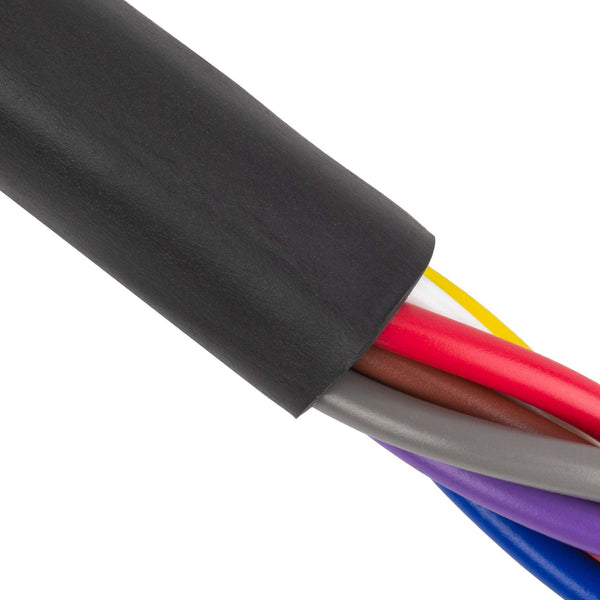
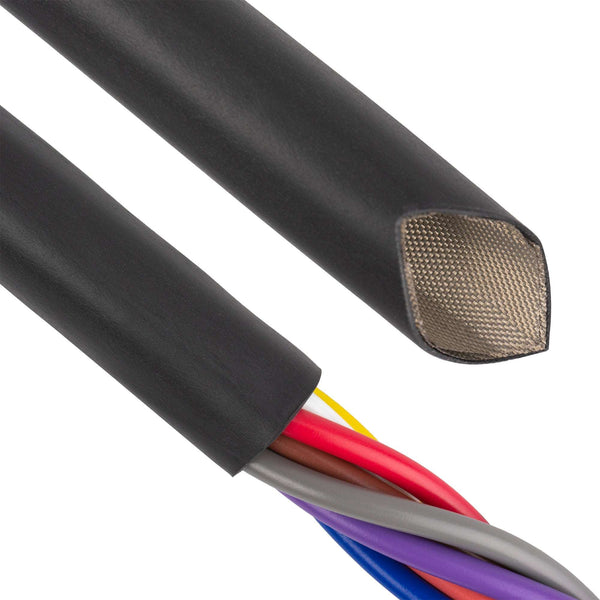
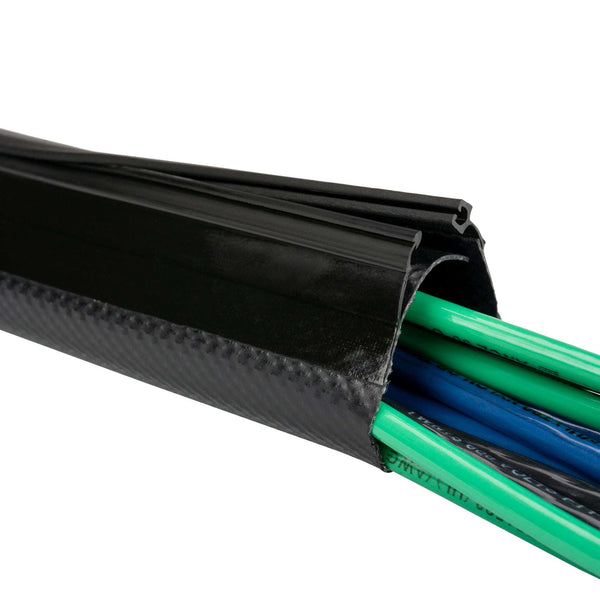
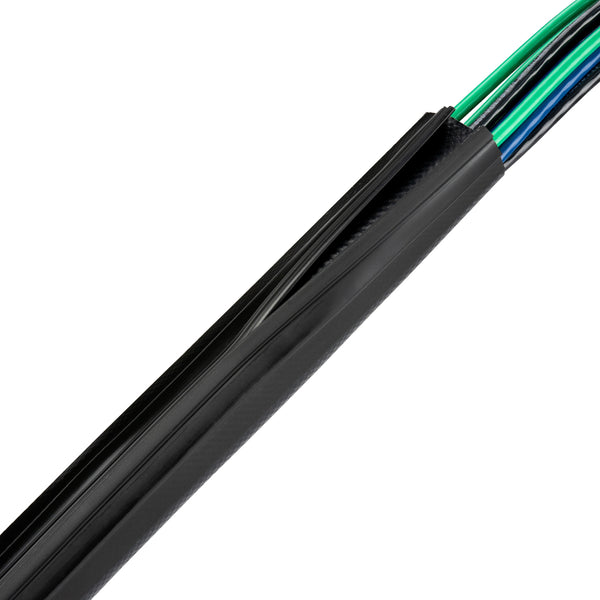
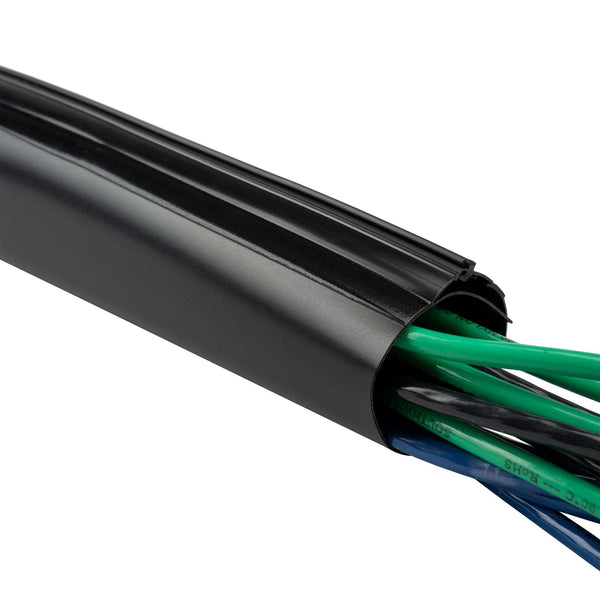
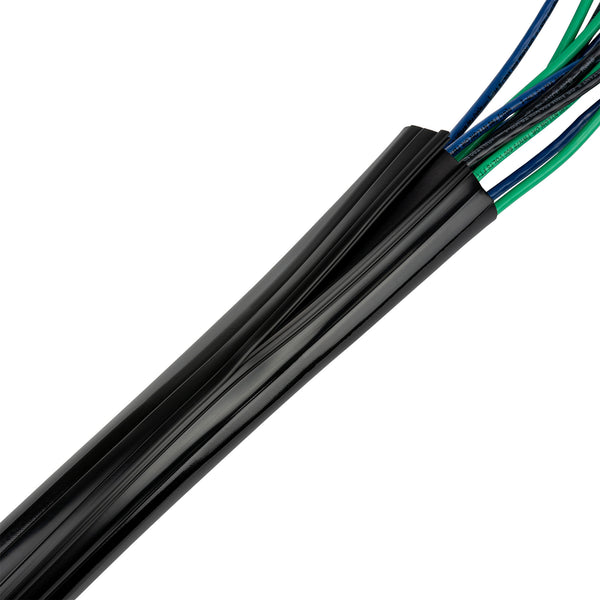
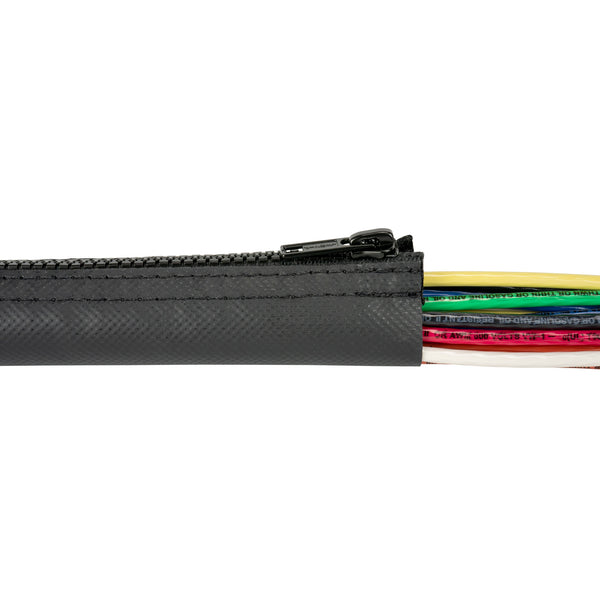
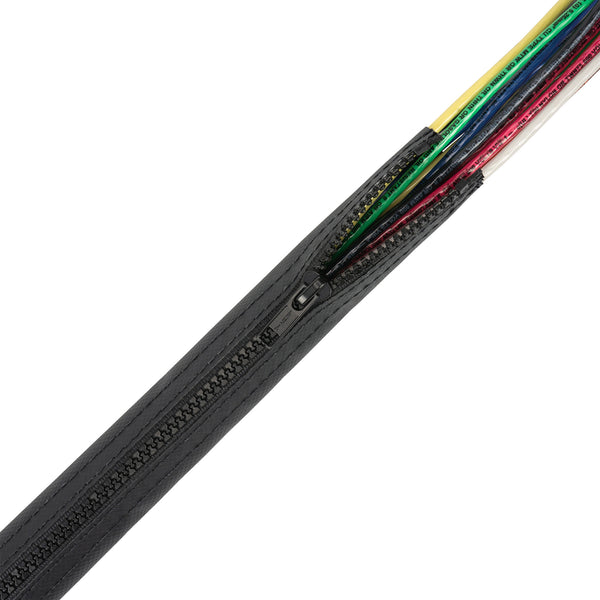
Selecting the correct cable protection product starts with understanding the size of the cable bundle being protected. Whether using braided sleeving, wrap-around covers, conduits, EMI shielding products, or thermal protection systems, bundle diameter often determines which product size will provide the best fit and performance.

Choosing a protection product that is too small can make installation difficult or impossible. On the other hand, selecting an oversized product may result in a loose fit, increased material costs, and a less professional final installation. Proper sizing helps ensure effective protection while optimizing space, weight, and overall system appearance.
There are several methods commonly used to determine cable bundle diameter. One approach is to physically assemble and measure a representative bundle, which often provides the most accurate result but may not be practical during the early design stages. Engineers may also estimate bundle size using CAD models or manual calculations. While these methods can be effective, they may require additional time and effort when evaluating multiple design options.
To simplify the process, Zippertubing developed a Cable Bundle Diameter Calculator that estimates overall bundle diameter based on the quantity and size of each cable in the bundle. The tool also provides a visual representation of the bundle composition, helping users better understand the relationship between individual cables and the resulting bundle size.
Knowing the approximate bundle diameter early in the design process can help engineers confidently select cable protection products, evaluate routing constraints, and reduce the likelihood of sizing issues during installation. Whether designing a wire harness, cable assembly, or equipment interconnect system, accurate bundle sizing is an important first step toward a successful cable management solution.

Frequently Asked Questions
Why is cable bundle diameter important?
Cable bundle diameter affects the selection of sleeving, conduit, shielding, and other cable protection products. Proper sizing helps ensure a secure fit and can simplify installation, routing, and long-term performance.
How do I determine the diameter of a cable bundle?
Cable bundle diameter can be estimated through physical measurement, manual calculation, CAD modeling, or dedicated cable bundle sizing tools.
What happens if I choose a sleeving size that is too small?
Undersized sleeving can be difficult to install, may place stress on the cables, restrict harness flexibility, and may not provide complete protection.
What happens if I choose a sleeving size that is too large?
Oversized sleeving can result in a loose fit, excess material, a baggy appearance, and a less organized installation. It may also increase material costs without improving performance.
Should I measure an existing bundle or calculate its diameter?
Physical measurement is generally the most accurate method when a completed cable bundle is available. During the design phase, calculations and cable bundle sizing tools provide reliable estimates before a prototype is built.
Does cable sleeving size affect EMI shielding products?
Yes. Most EMI shielding sleeves perform best when properly sized. In many applications, selecting a sleeve that is slightly oversized helps simplify installation while maintaining effective shielding performance.