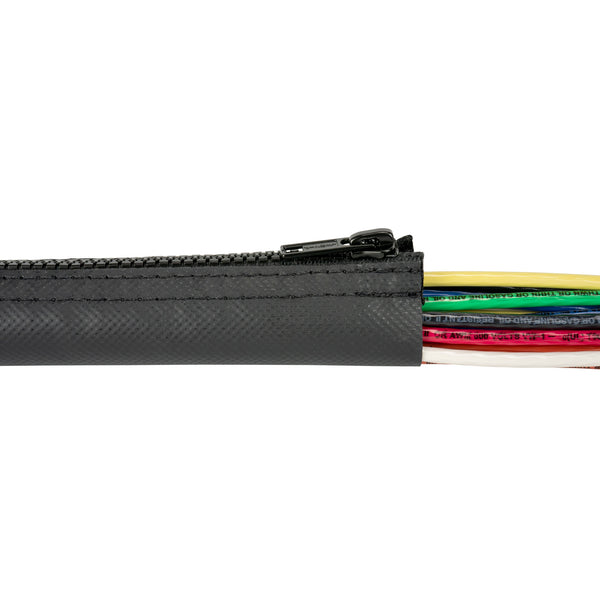
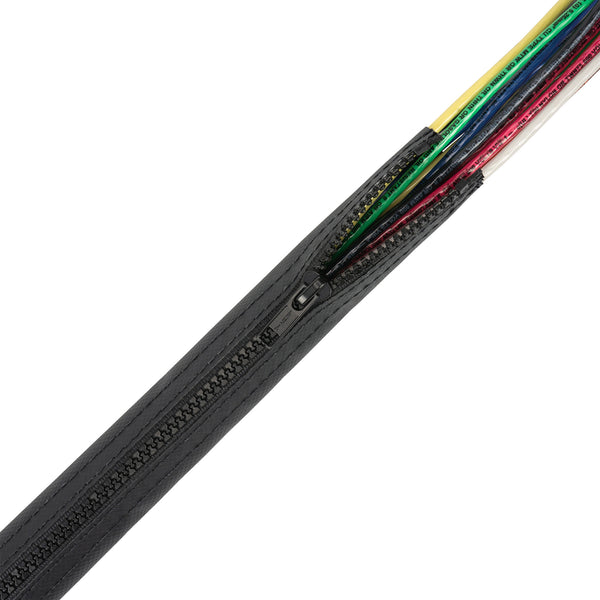
Alternate Source for 3M™ DS/FS Series EMI Shielding Sleeve

PROBLEM:
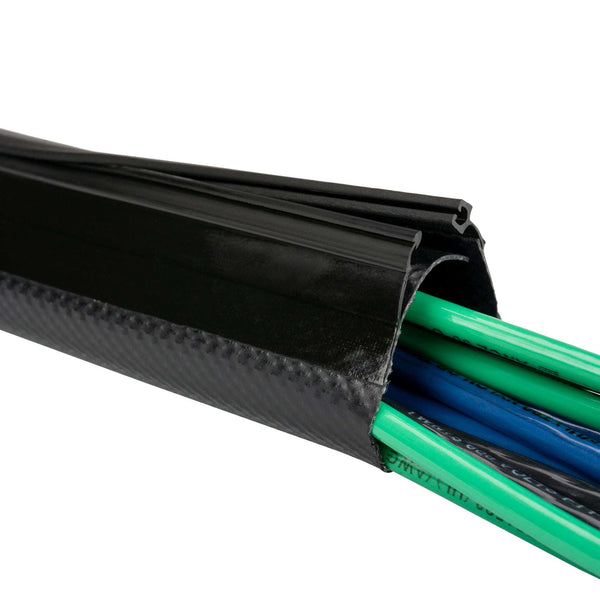
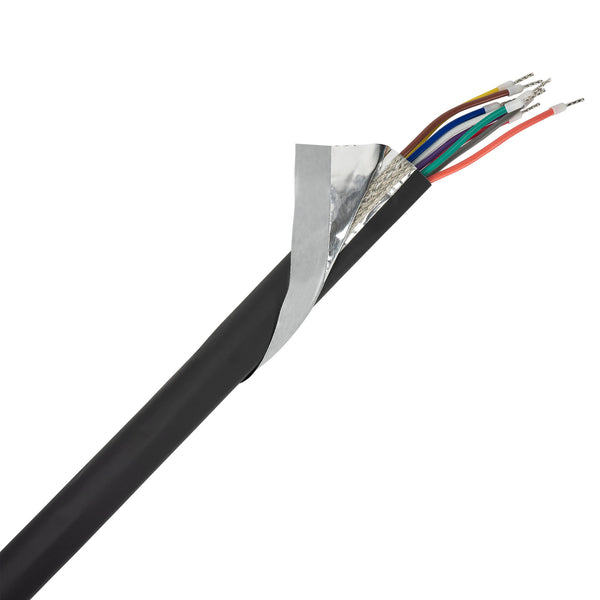
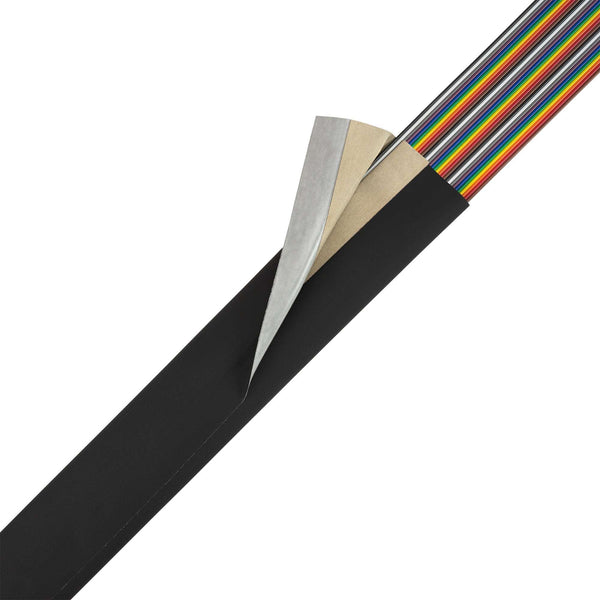
A medical device manufacturer utilized 3M™ High Flex-Life EMI Shield Sleeve (specifically FS-30) to provide electromagnetic interference protection on flat cable assemblies within their equipment. The shielding sleeve was necessary to prevent electrical noise from affecting sensitive circuitry and signal integrity. When the manufacturer could no longer source the qualified FS-30 material, they faced a potential shortage that threatened production of their devices.
REQUIREMENTS:
To avoid process changes or a redesign of the customer's assembly, the replacement material needed to:

Meet or exceed the shielding effectiveness requirement

Maintain Flexibility

Utilize a similar conductive shielding construction

Install using the same general assembly process

Be available immediately to prevent interruption of production
SOLUTION:
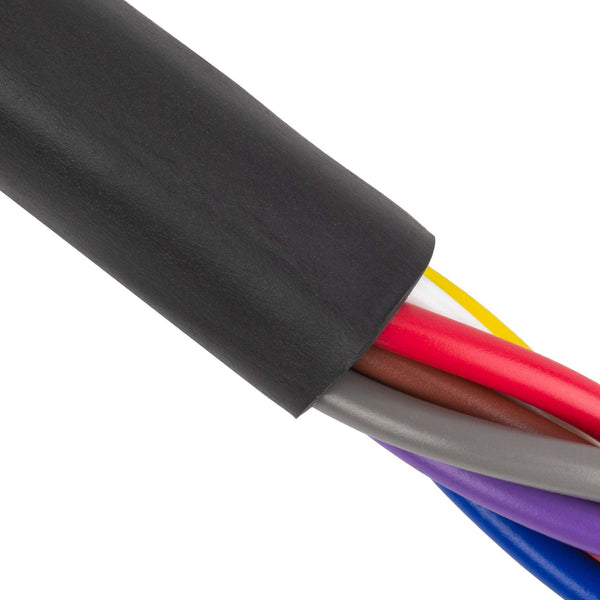
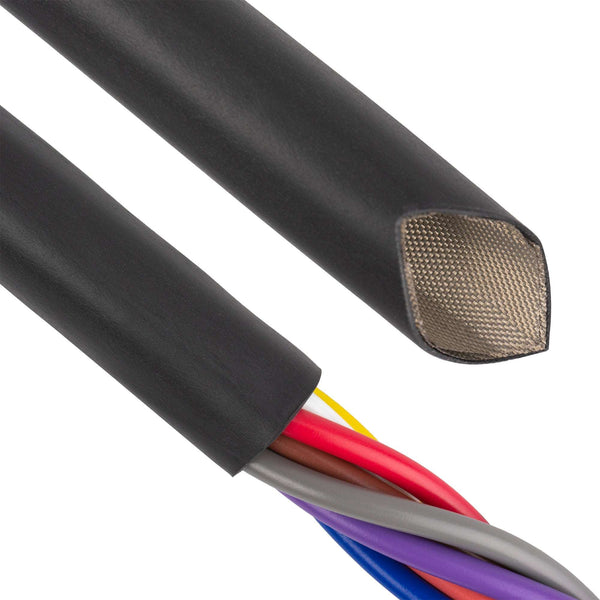
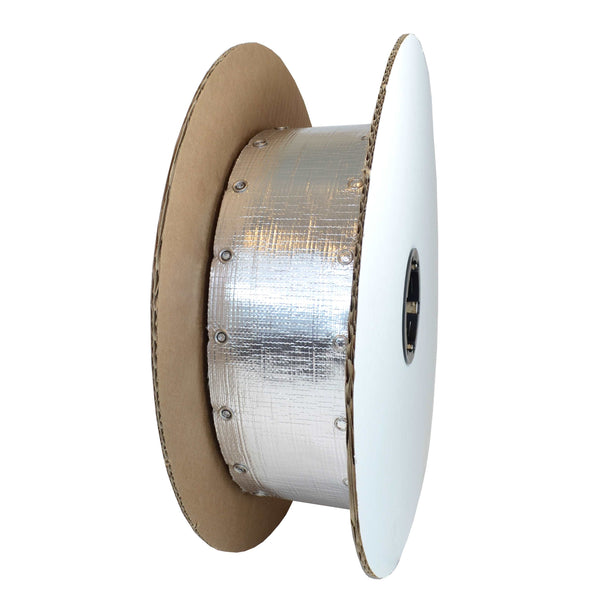
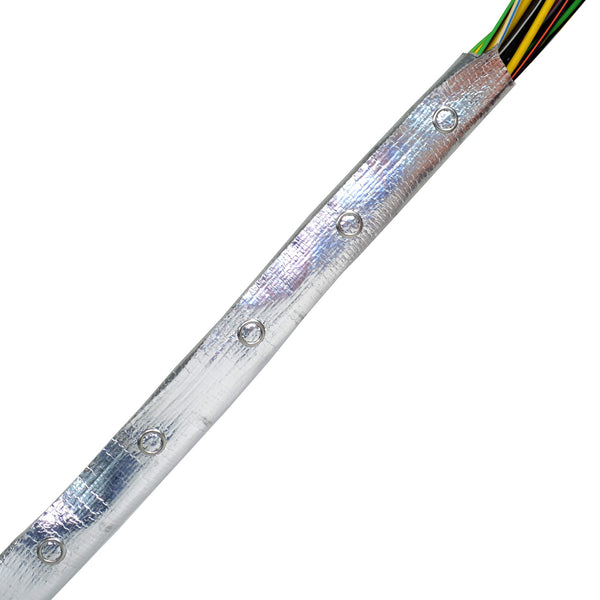
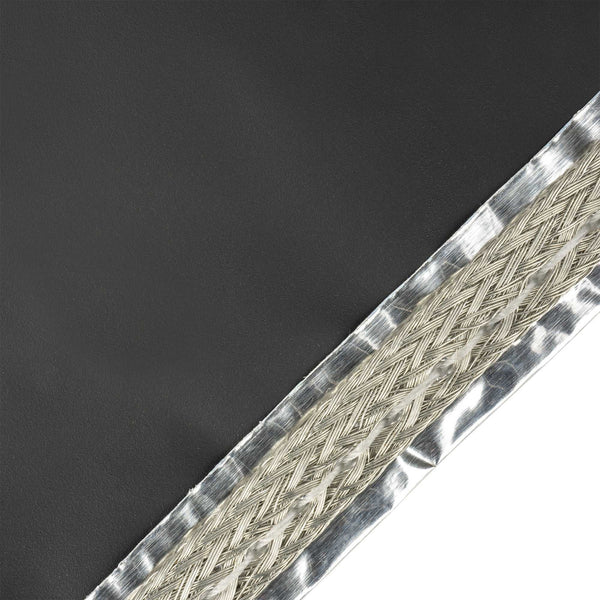
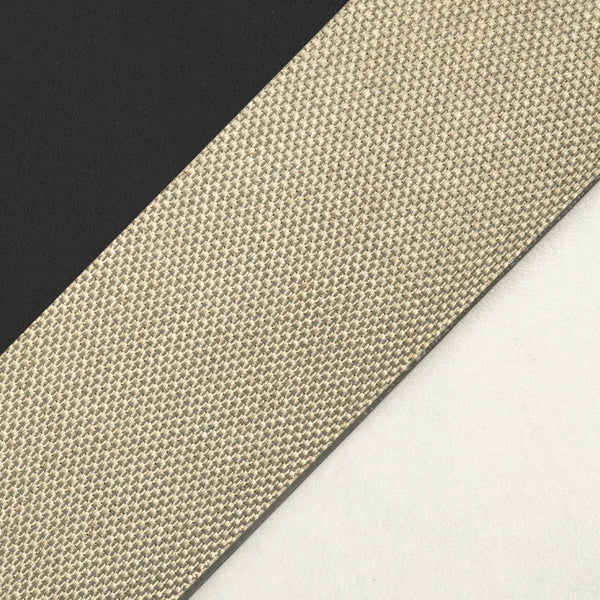
Zippertubing's Flex Shield is a highly flexible, lightweight braided shielding sleeve constructed from Nomex threads wrapped with tin-plated copper foil. It maintains the same fundamental shielding approach as the previous FS-30 sleeve — a tin-plated copper foil conductive shield — and offers improved shielding effectiveness.
Flex Shield is also UL Recognized, has a VW-1 flammability rating, and operates across a temperature range of -40°F to 302°F. It is available in multiple diameters ranging from 1/8" to 1-1/2", including a size compatible with the customer's cable.


CONCLUSION:
By implementing Zippertubing's Flex Shield as an alternate braided shielding sleeve, the customer maintained the same style of conductive tin-plated copper shielding while preserving their existing assembly process. With material readily available in a suitable size, the manufacturer avoided production delays and continued building their medical devices without interruption. Zippertubing was also able to provide Flex Shield in exact-length pieces, removing a production step during harness assembly. Flex Shield provided a reliable long-term solution for flexible EMI shielding and avoided substantial engineering and production efforts that often accompany replacing a qualified component.