Reducing Cable Failures in Mining: Protection for High-Wear Environments

Underground mine with power and control cables

PROTECTING CRITICAL CABLE
SYSTEMS IN MINING ENVIRONMENTS


In mining operations, power and control cables are critical to keeping equipment running and production on schedule. When these cables fail, the result is unplanned downtime, lost output, and increased maintenance. Operating in harsh environments, cables face constant movement, heavy equipment contact, vibration, and abrasion from rough or sharp surfaces, while exposure to dust, moisture, slurry, oils, and chemicals accelerates jacket wear. Temperature extremes from high ambient and equipment heat to cold outdoor conditions can further reduce flexibility and increase the risk of cracking and premature failure.

REINFORCING HIGH-WEAR AREAS FOR RELIABILITY

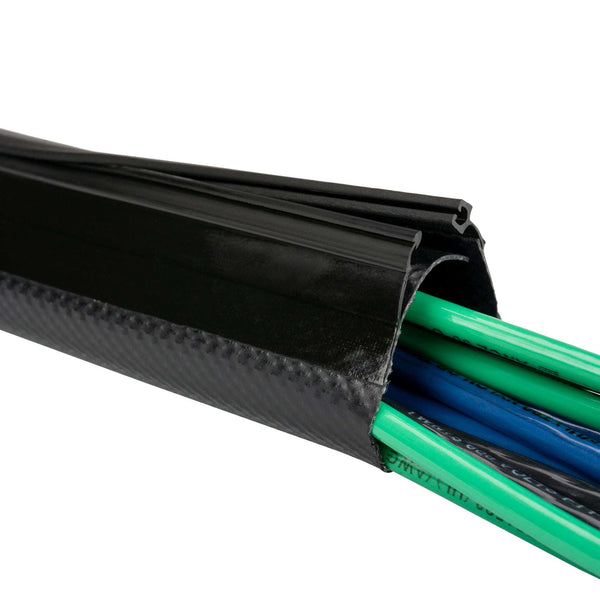
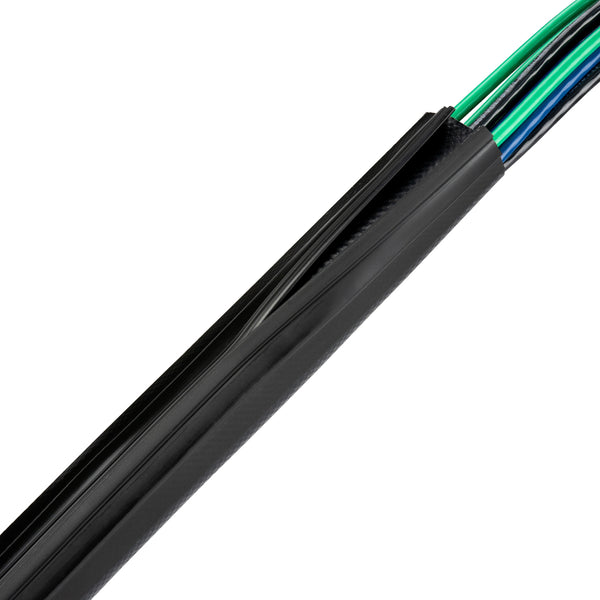
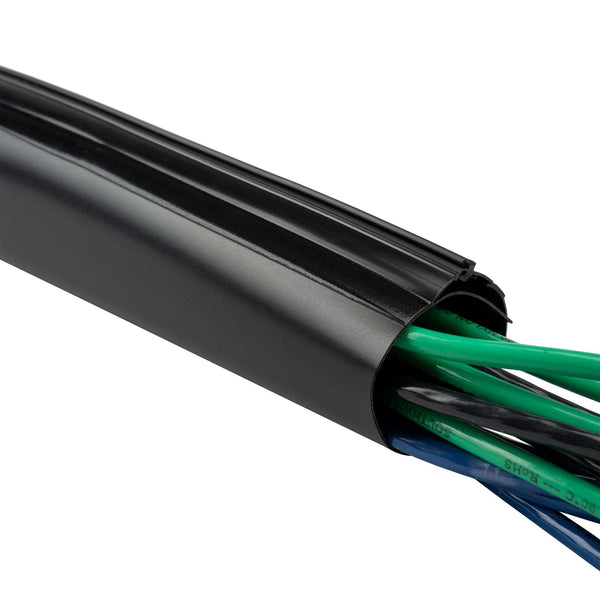
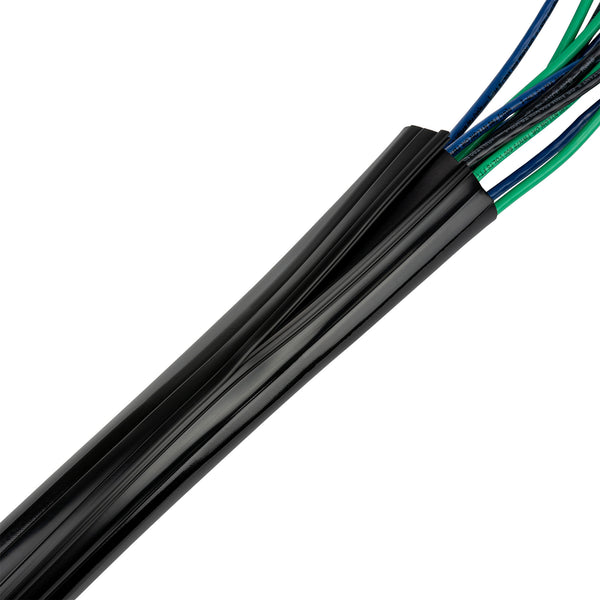
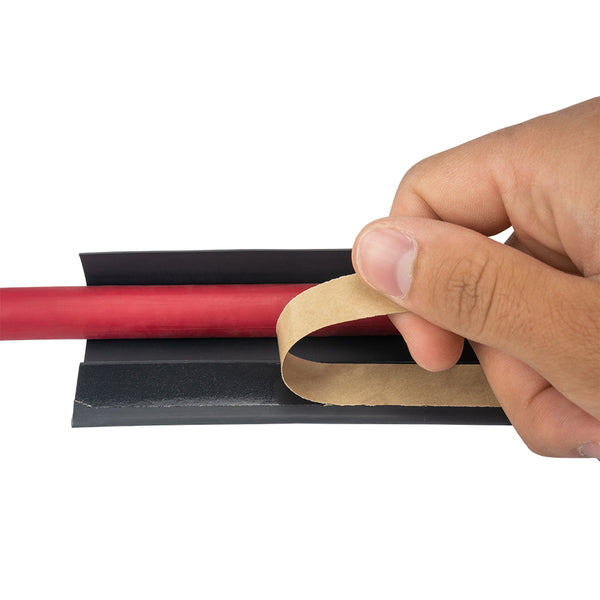
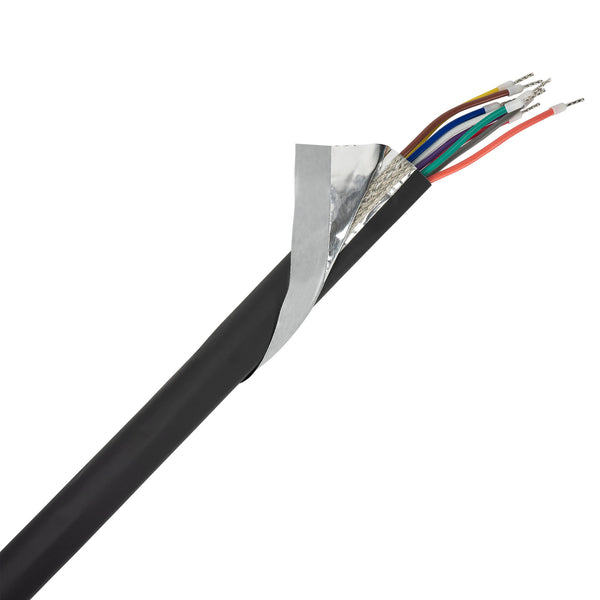
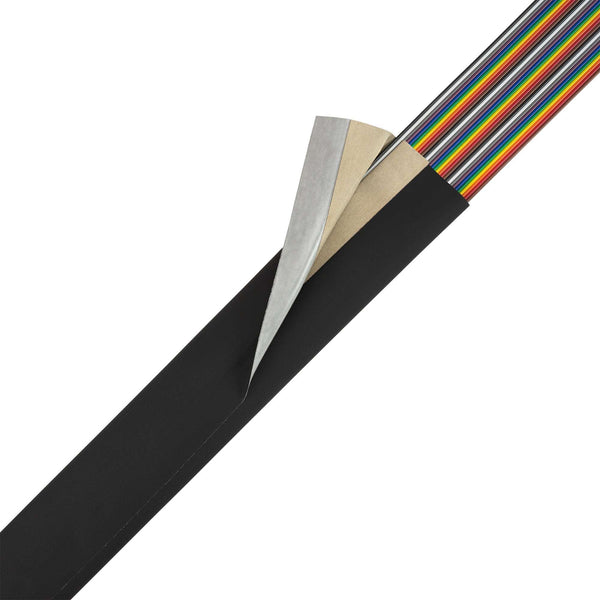
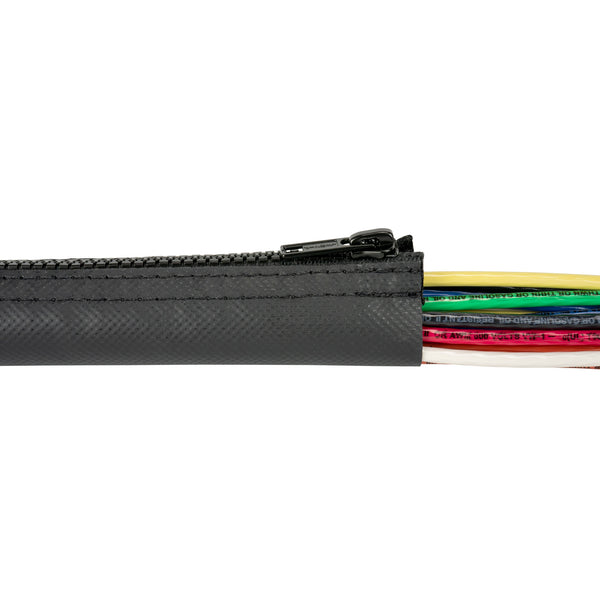
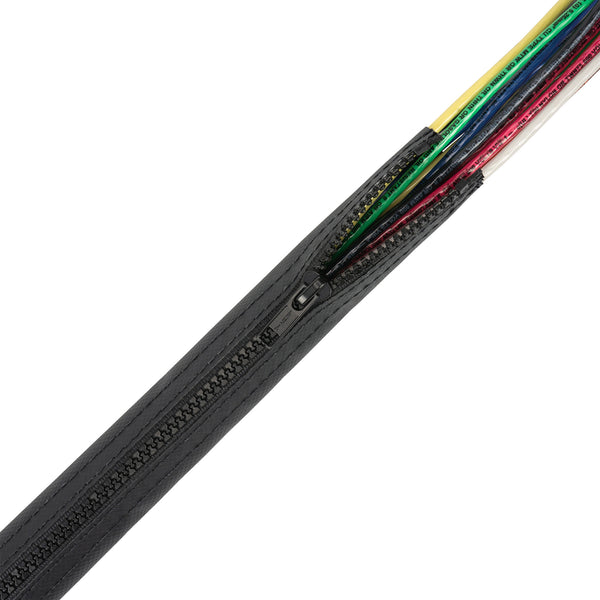
Because these conditions are unavoidable, many mining operations focus on protecting cables in known high-wear areas to support equipment availability and production uptime rather than repeatedly replacing damaged lines. Wrap-around solutions such as Zippertubing’s Zip-On® and Zip-Wrap® allow maintenance teams to quickly reinforce existing cables in the field without disconnecting or removing them, minimizing service time and keeping mobile equipment and critical systems operational. In high-contact applications such as trailing cables, conveyors, and material handling systems, heavy-duty abrasion-resistant sleeving provides a durable outer layer to withstand continuous dragging, vibration, and debris, helping extend cable life and reduce unplanned maintenance.

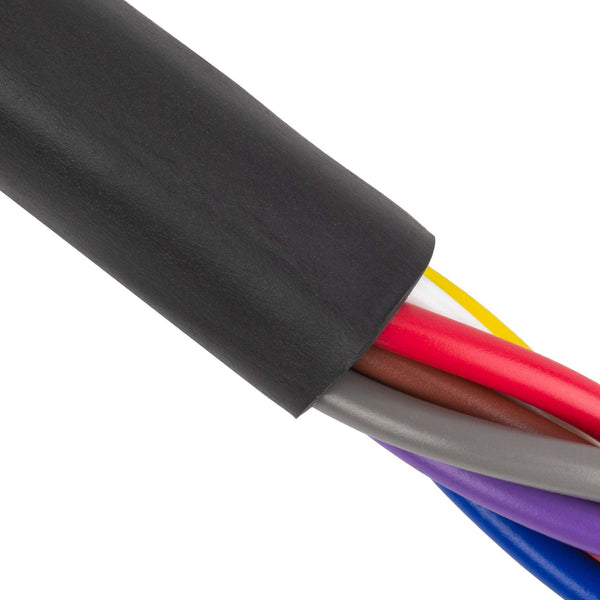
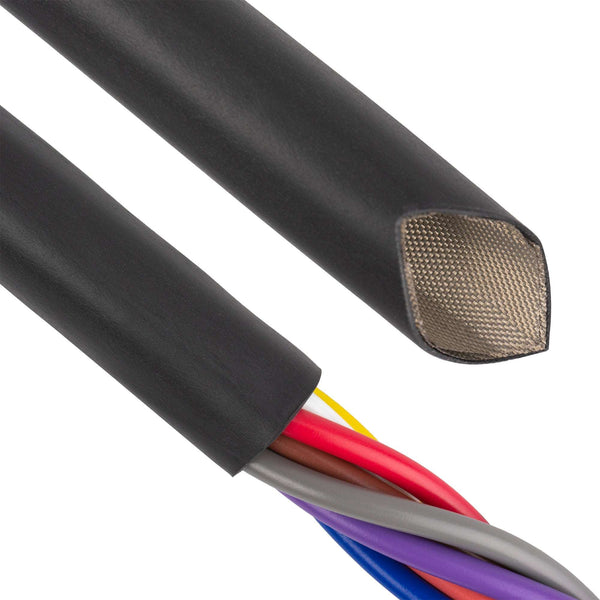
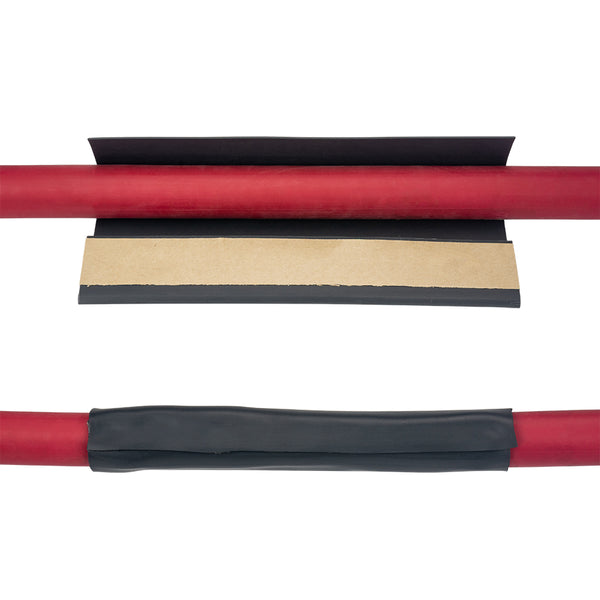
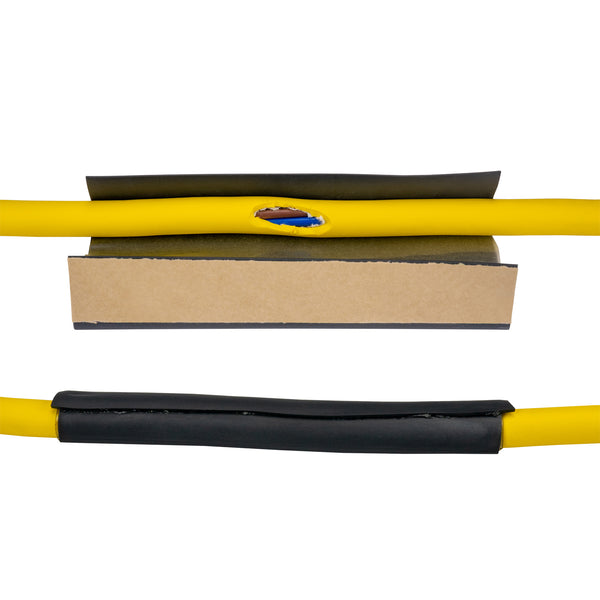
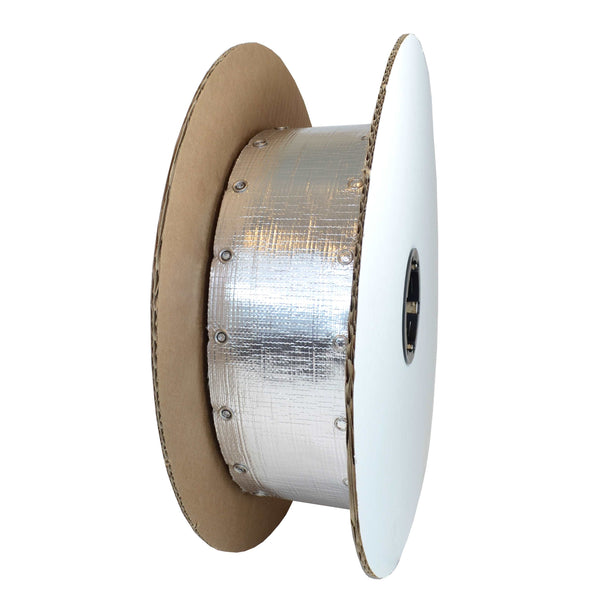
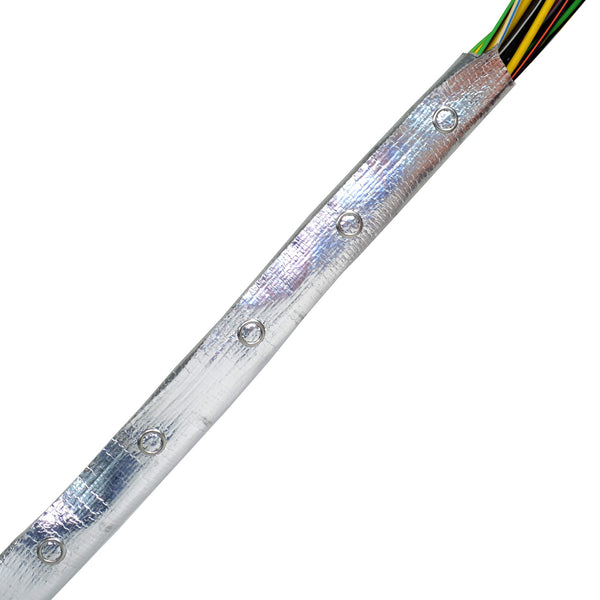
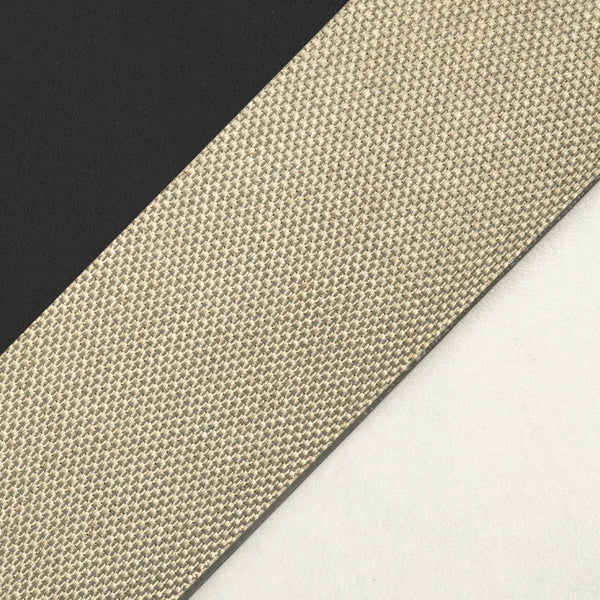
For harsher operating environments, PRT® wrap-around heat shrink creates a sealed barrier against moisture, chemicals, and washdown conditions, while thermal and heat-shielding solutions help protect cables exposed to elevated temperatures near engines, hydraulic systems, and other heat sources—supporting long-term reliability in demanding surface and underground mining operations.

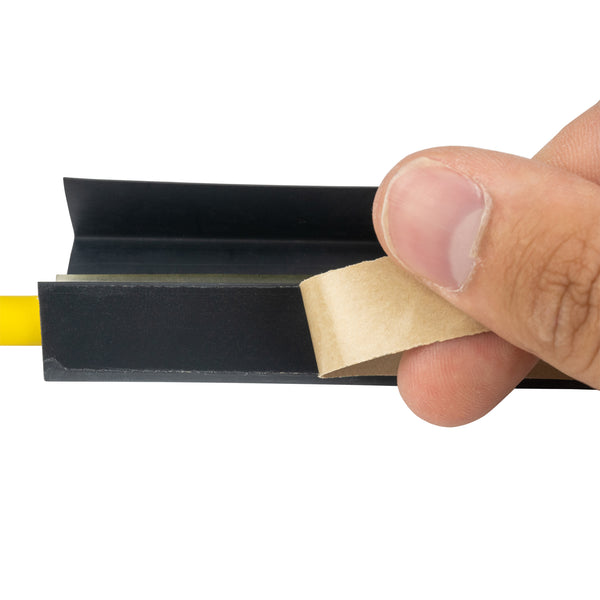
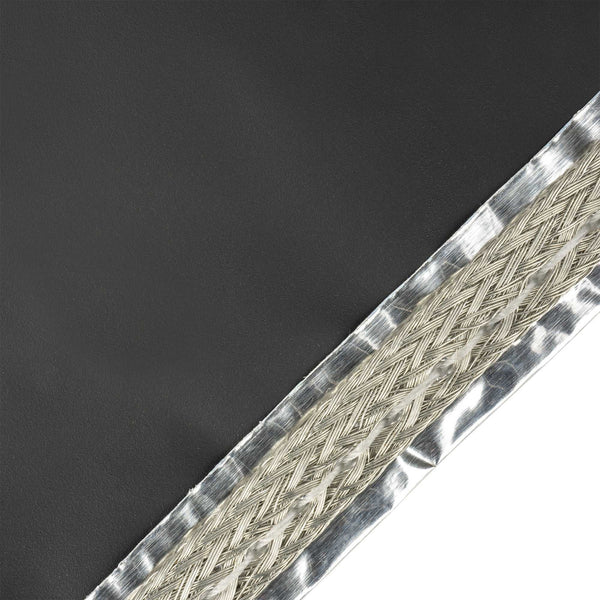
Zip-On sleeving
Zip-Wrap sleeving
PRT wrap-around heat shrink
Field installation close-up
Miners inspecting cable systems underground
IMPROVING MAINTENANCE EFFICIENCY AND LIFECYCLE COSTS

Reinforcing cables in high-wear areas is a simple way to extend service life and avoid repeated failures. Field-installable Zippertubing solutions allow maintenance teams to protect trailing cables, mobile equipment, and conveyor systems quickly—without removing or replacing existing lines. Built to withstand harsh mechanical, environmental, and temperature conditions, these solutions help mining operations reduce downtime, control maintenance costs, and keep production moving.

FAQ: Cable Protection in Mining Environments
Why do cables fail so often in mining operations?
Mining cables are exposed to constant movement, vibration, dragging, and contact with heavy equipment—plus abrasive rock, sharp edges, and debris. Dust, moisture, slurry, oils, and chemicals accelerate outer-jacket wear, and temperature extremes can reduce flexibility and increase cracking risk.
What are the most common “high-wear” areas worth reinforcing first?
High-wear areas usually include bend points, pinch points, cable hang points, transition zones near connectors/terminations, and any location where cables drag or rub repeatedly. Trailing cables, conveyor runs, and material-handling systems are often the first places to see jacket damage.
Can cable protection be installed without disconnecting or removing the cable?
Yes. Wrap-around protection is designed for field installation so maintenance teams can reinforce existing lines without disconnecting cables or removing them from service routing—helping reduce service time and disruption.
What’s the advantage of wrap-around sleeving compared to replacing the cable?
Replacing a damaged cable is expensive and often requires longer downtime. Reinforcing a cable in known wear zones can extend service life, reduce repeat failures, and improve uptime—especially when failures are driven by external abrasion and impact rather than internal conductor issues.
Do these solutions help with heat exposure near engines or hydraulic systems?
Yes. Thermal and heat-shielding solutions are used when cables run near elevated heat sources. The goal is to reduce heat damage that can harden jackets, reduce flexibility, and accelerate cracking—especially in high-ambient or equipment-adjacent routing.
What’s the best way to implement cable protection as a maintenance strategy?
Start by identifying the locations where cables repeatedly wear or fail, then reinforce those specific zones during scheduled maintenance. Targeted protection in the highest-wear areas typically delivers the best return by reducing unplanned downtime and extending cable replacement intervals.
Matt Hesselbacher

Written by Matt Hesselbacher - Principal Engineer